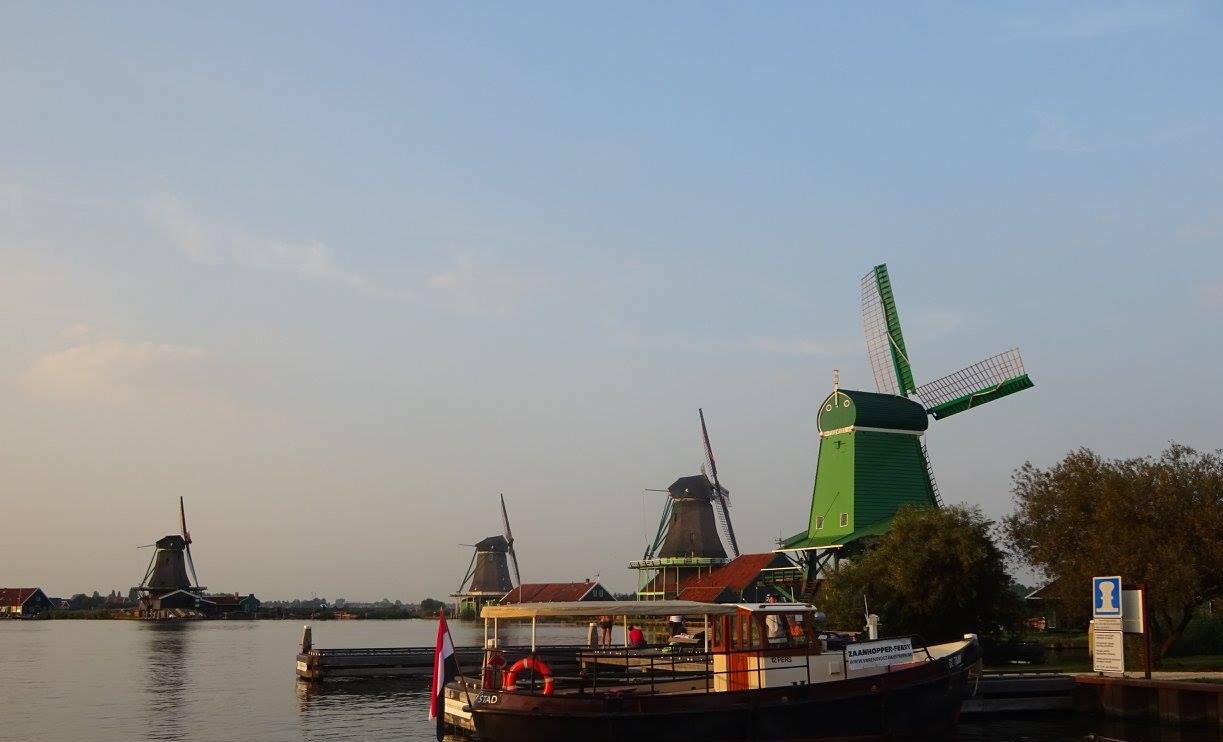
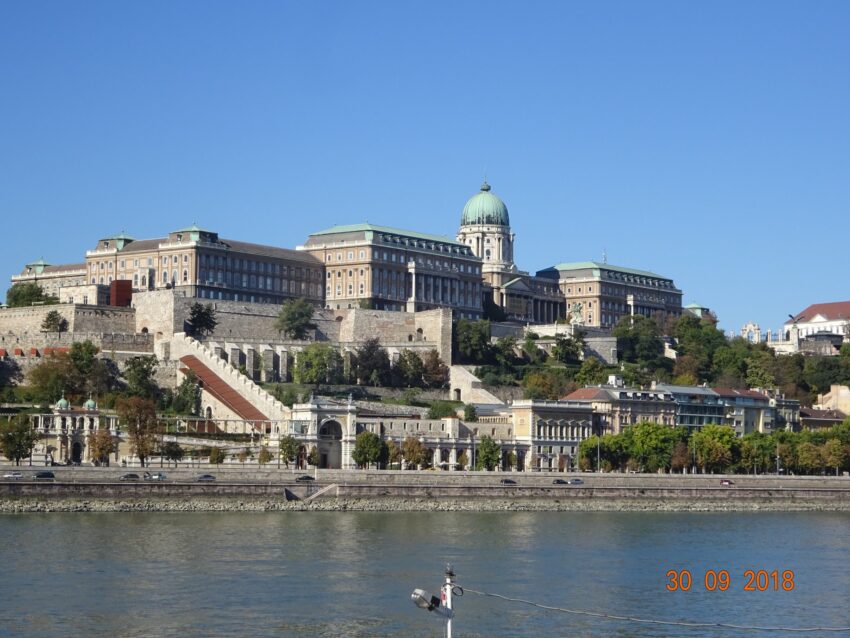
Having visited Prague, I expected Budapest to be similar. But these two cities are as different as chalk and cheese. Budapest is a sprawling urban city, lacking the typical old town that’s so common in Europe. While most of the main sights in Budapest are within walking distance of each other, to truly experience the city’s natural beauty, you need to venture beyond its limits and away from the usual must-see spots.
Whenever I stay in a city for more than three days, I try to do a walking or cycling trail on the outskirts. That’s how I ended up exploring the Buda Hills. Located on the edge of Budapest, these hills offer many well-marked walking trails. On my hike to the Elizabeth Lookout Tower—which offers a stunning view of the lush green surroundings of the Budapest district—I found myself accompanied by a group of teenagers on a school trip. They seemed quite intrigued to see a non-local among them. The beauty of visiting less touristy places is that you get to experience the real essence of a city or country, seeing how locals live and where they hang out.
Budapest is divided by the Danube River into two parts: Buda and Pest. Along the river, there are some charming old towns. I visited Szentendre, about half an hour from Budapest—a pretty little cobblestoned town, quintessentially colorful and perched right on the Danube. Quaint cottages sit on a hill overlooking the river, offering fabulous views of the countryside.
While wandering around the city, I stumbled upon a memorial behind St. Stephen’s Church dedicated to the victims of World War II. The memorial sits right in the middle of a commercial area, surrounded by fountains and photos of Jewish children. It was poignant and heart-wrenching. Another hidden gem I discovered in Budapest was the City Park behind Heroes’ Square. With a beautiful castle on a lake and the setting sun for company, it was the perfect, picturesque scene to end my last evening in Budapest.